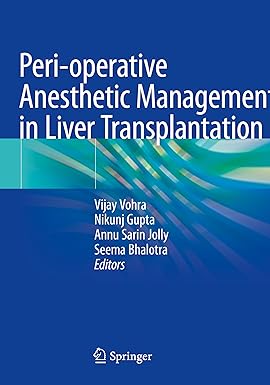
Complete Clinical Guide to Anesthesia in Liver Transplantation Surgery
About the Book
Liver transplantation represents one of the most intricate and physiologically demanding surgical procedures, requiring anesthesiologists to navigate hemodynamic instability, coagulopathy, metabolic derangements, and rapid clinical changes. This comprehensive guide walks you through every phase of anesthetic care—from preoperative assessment of end-stage liver disease patients to intraoperative management during the anhepatic phase, and through postoperative intensive care considerations. Packed with clinical protocols, pharmacological strategies, and troubleshooting techniques, this book serves as your trusted companion in the operating room when every decision matters.
From the Back Cover
When the liver fails, every system follows—and the anesthesiologist becomes the guardian of physiologic stability through one of medicine’s most complex operations.
About the Author
Written by experienced transplant anesthesiologists and hepatobiliary specialists, this book synthesizes decades of clinical experience from leading transplant centers worldwide. The authors bring practical wisdom from thousands of liver transplant cases, translating complex physiology into actionable clinical strategies that work in real-world operating room environments. Their expertise spans academic research, clinical teaching, and frontline patient care in high-volume transplant programs.
Who Is This Book For?
This essential reference is designed for anesthesiology residents rotating through transplant services, fellows specializing in transplant or critical care anesthesia, and practicing anesthesiologists who manage liver transplant patients. If you’re involved in hepatobiliary surgery, work in transplant centers, or want to deepen your understanding of complex perioperative physiology, this guide provides the evidence-based knowledge and clinical judgment tools you need. It’s equally valuable for intensive care physicians who manage these patients postoperatively and surgical teams seeking better collaboration with anesthesia colleagues.
Frequently Asked Questions
What anesthetic challenges are unique to liver transplant surgery?
Liver transplant anesthesia involves managing severe coagulopathy, hemodynamic instability during three distinct surgical phases (pre-anhepatic, anhepatic, and neohepatic), massive fluid shifts, electrolyte imbalances, and potential reperfusion syndrome. Patients often have portal hypertension, reduced drug metabolism, and multi-organ dysfunction requiring specialized monitoring and intervention strategies.
How do anesthesiologists manage the anhepatic phase during liver transplantation?
During the anhepatic phase when the diseased liver is removed, anesthesiologists must maintain cardiovascular stability despite loss of hepatic blood flow, manage metabolic acidosis and hyperkalemia, ensure adequate venous return (sometimes using venovenous bypass), and prepare for the critical reperfusion moment when blood flow returns to the new organ.
What monitoring techniques are essential for liver transplant anesthesia?
Standard monitoring includes invasive arterial blood pressure, central venous pressure, pulmonary artery catheterization or cardiac output monitoring, transesophageal echocardiography for cardiac function assessment, thromboelastography for real-time coagulation status, and frequent laboratory testing for electrolytes, glucose, and blood gases throughout the lengthy procedure.
Why is coagulation management complex during liver transplantation?
The diseased liver cannot produce clotting factors, leading to baseline coagulopathy, while surgery causes massive blood loss and dilutional coagulopathy from transfusions. The anhepatic phase eliminates all clotting factor production temporarily, and reperfusion can trigger fibrinolysis. Anesthesiologists must use viscoelastic testing and targeted blood product administration rather than routine protocols.
What is reperfusion syndrome and how is it managed during liver transplant?
Post-reperfusion syndrome occurs when cold, acidotic, hyperkalemic blood from the newly transplanted liver enters circulation, potentially causing severe hypotension, bradycardia, or cardiac arrest. Management includes preemptive calcium chloride, vasopressor readiness, bicarbonate for acidosis correction, and close communication with surgeons to optimize timing and technique of reperfusion.
Ready to elevate your transplant anesthesia expertise? Add this essential clinical guide to your medical library today.














Reviews
Clear filtersThere are no reviews yet.