Complete Guide to Teaching English Language Learners: Evidence-Based Strategies for Classroom Success
About the Book
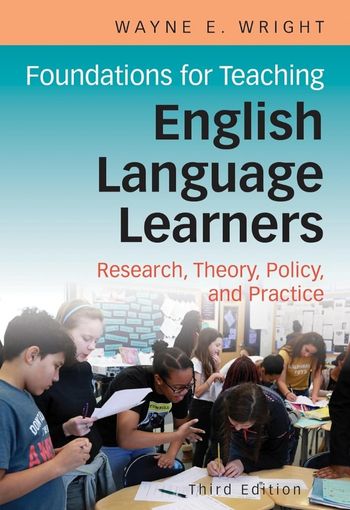
Foundations for Teaching English Language Learners delivers a powerful combination of current research, proven teaching methods, and actionable classroom strategies that empower educators to meet the diverse needs of English learners. This essential resource goes beyond theory to provide practical tools you can implement immediately, addressing everything from language acquisition principles to culturally responsive instruction. Written by leading experts in the field, this book equips teachers with the knowledge and confidence to create inclusive, effective learning environments where all students can succeed.
From the Back Cover
“Every educator working with English learners needs a solid foundation in what works—and why. This book delivers both the research and the roadmap for transformational teaching.”
About the Authors
Diane Staehr Fenner and Sydney Snyder are nationally recognized authorities in English learner education with decades of combined experience in classroom teaching, research, and professional development. Their work has influenced ELL policy and practice across the United States, and they’re known for translating complex research into accessible, actionable strategies that make a real difference in students’ lives. Both authors bring deep expertise in linguistics, curriculum design, and equity-focused education to this comprehensive guide.
Who Is This Book For?
This book is essential for classroom teachers, ESL specialists, instructional coaches, and school administrators working with English learners at any grade level. If you’re pursuing certification in TESOL or bilingual education, this serves as an invaluable textbook and reference guide. Perfect for both new educators seeking foundational knowledge and experienced teachers looking to refine their practice with current research and updated strategies. Anyone committed to closing achievement gaps and supporting multilingual learners will find this resource indispensable.
Frequently Asked Questions
What teaching strategies are most effective for English language learners?
The most effective ELL strategies include sheltered instruction, scaffolding techniques, visual supports, collaborative learning structures, and integrated content and language instruction. This book provides detailed frameworks for implementing each approach based on students’ proficiency levels and learning needs.
How do I teach English learners with different proficiency levels in one classroom?
Differentiation is key when teaching mixed-proficiency classrooms. The book offers practical strategies for tiering assignments, using flexible grouping, providing language supports at multiple levels, and creating learning stations that allow students to access content at their individual proficiency levels while working toward common learning goals.
What’s the difference between social and academic language for ELL students?
Social language (BICS) develops in 1-3 years and covers everyday conversation, while academic language (CALP) takes 5-7 years and includes content-specific vocabulary and complex sentence structures. Understanding this distinction helps teachers provide appropriate support and set realistic expectations for language development timelines.
How can I assess English learners fairly and accurately?
Fair ELL assessment requires multiple measures beyond standardized tests, including performance-based assessments, portfolios, observational data, and accommodations like extended time or bilingual dictionaries. The book explains how to distinguish between language proficiency and content knowledge when evaluating student progress.
Do I need to speak my students’ native language to teach English learners effectively?
While bilingual abilities are beneficial, they’re not required for effective ELL instruction. The book demonstrates how to use research-based strategies like visual aids, gestures, modeling, and strategic grouping to make content comprehensible regardless of your language background, while still honoring and leveraging students’ home languages.













Reviews
Clear filtersThere are no reviews yet.